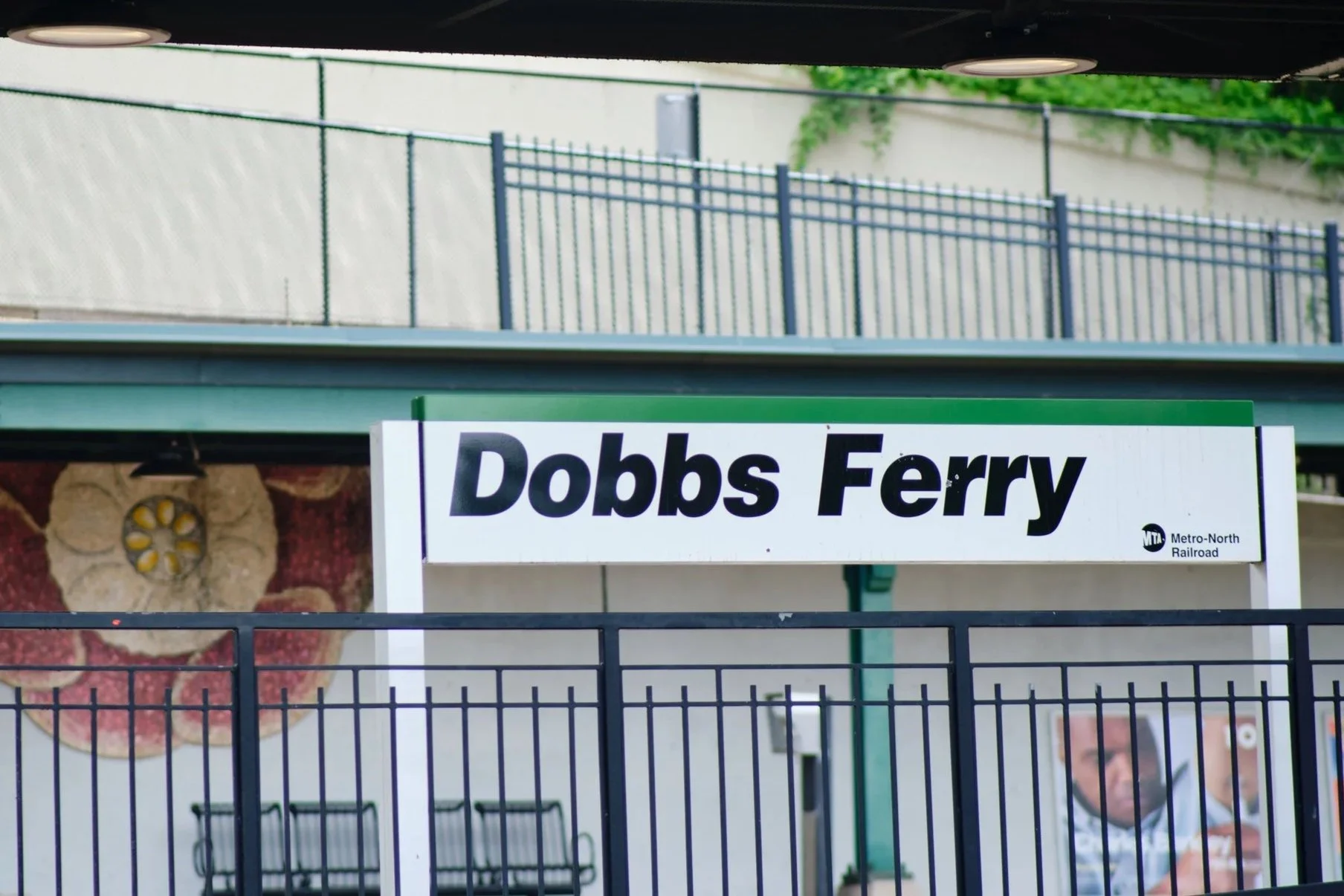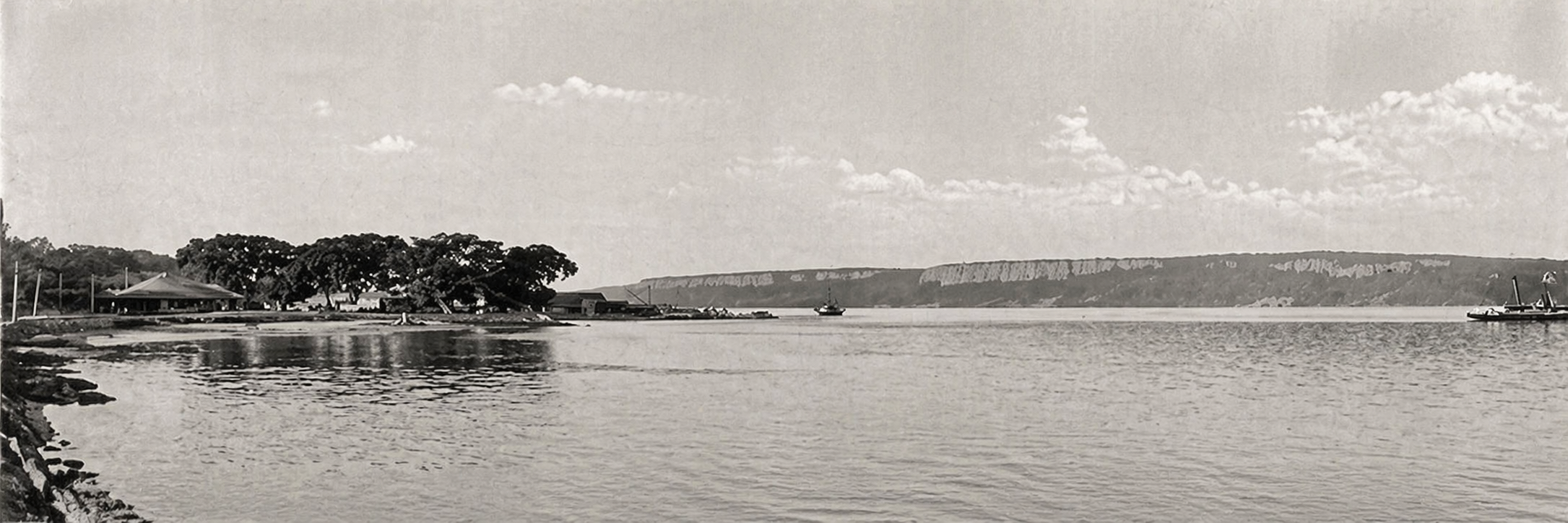
A Village with a story
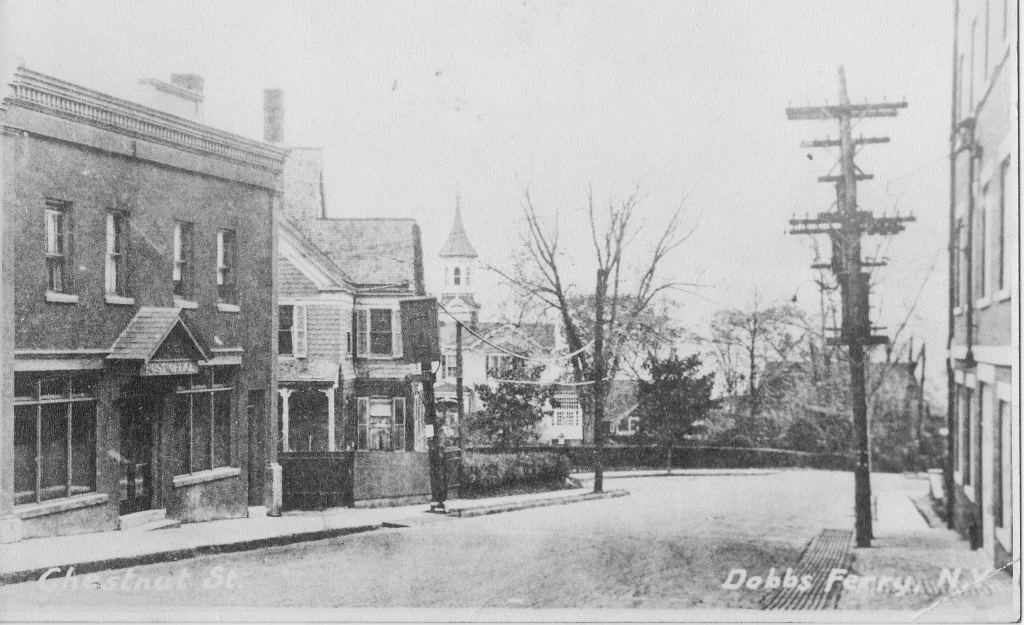
Preserving the rich history of a small village
Long before it became the vibrant village it is today, Dobbs Ferry played a quiet but meaningful role in the American story. From its pre-Revolutionary War roots to its evolution as a riverside community, the village has always been a place where people and ideas meet.
At the heart of that history is the Mead House, a modest yet deeply significant home in the center of downtown. Built in 1855 by Abram Willsea and later owned by the Mead family, the house reflects generations of village life. In 1991, Clara Mead — a Wellesley graduate with a deep commitment to local history — gifted the home to the Dobbs Ferry Historical Society, ensuring that the stories of the village would have a permanent home.
Today, the Historical Society uses the Mead House not just as a repository, but as a living resource — collecting artifacts, preserving documents and correspondence, recording oral histories, and publishing materials like The Ferryman. Through this work, the everyday lives, voices, and experiences of Dobbs Ferry residents — past and present — remain accessible and relevant.
Just steps away, the Keeper’s House at the Old Croton Aqueduct stands as another powerful link between past and present. Once part of New York City’s historic water system, it has been thoughtfully restored as a space for exhibitions and community gatherings.
Together, these places reflect a village that actively celebrates and embraces its history.
A Community That Reimagines Its Spaces
That same sense of continuity carries into daily life in Dobbs Ferry today.
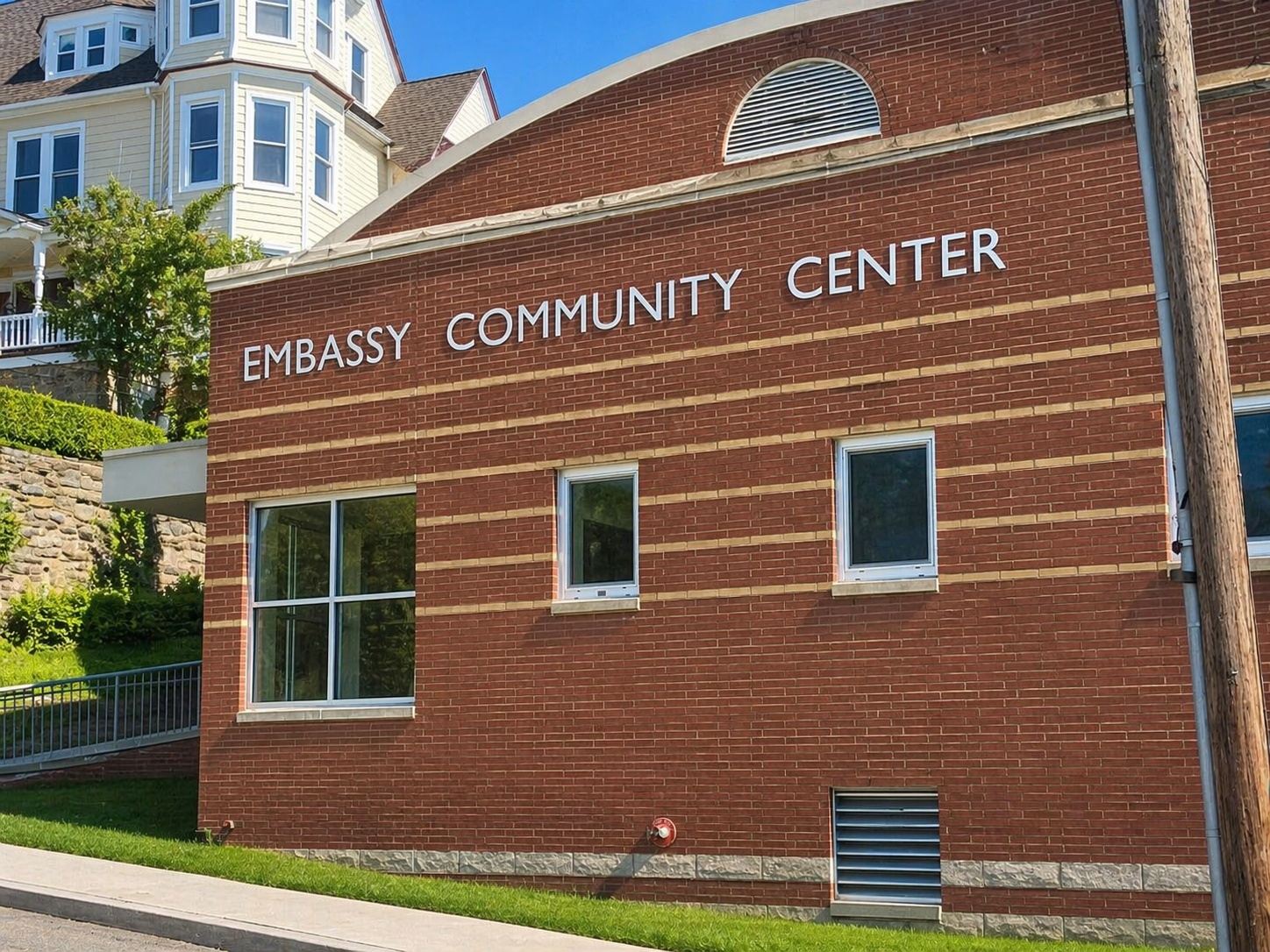
Spaces in the village support regular activity and bring people together in practical ways. The Embassy Community Center is one example, offering a place for events, programming, and community gatherings.
Its location makes it especially useful. It sits close to the downtown core, within walking distance of the train, nearby Memorial Park, and local businesses. That proximity makes it easy for people to attend events, spend time in the area, and stay connected to what’s happening in the village.
Spaces like this help sustain regular activity downtown and give people a reliable place to meet, participate, and organize.
A Downtown with Energy and Momentum
Dobbs Ferry is a place where small details matter—and that includes the art you encounter as you move through the village.
Behind many of those moments is the Public Arts Committee, a group focused on bringing thoughtful, high-quality art into everyday spaces. Their work isn’t about filling walls—it’s about shaping how the village feels. From murals to larger-scale installations, they partner with artists to create pieces that reflect the character, creativity, and history of Dobbs Ferry.
You’ll start to notice it in the places you pass every day: a wall that feels intentional, a visual moment that makes you pause, something that quietly connects the waterfront, the train, and downtown. It’s all part of a broader effort to make the village feel more cohesive, more welcoming, and distinctly its own.
One of the projects currently underway is a new gateway wall installation—designed to mark your arrival into downtown and set the tone for what you’ll find here. It’s a signal, in a way, that you’re somewhere that cares about how things look, feel, and come together.